01
Take the train, not the car
The linha do Douro from Porto follows the river for 100 kilometres. There is no better introduction to the valley. Drive only if you plan to leave the main road.
Volume VII · Douro
A slow train, a slow river, a slow glass of wine. The oldest demarcated wine region in the world, walked without a hurry.
Curated by Édi Cruz
Douro · 2026
For three centuries the Douro has been shaping Portugal — its wine, its exports, its people. But the valley itself was, until quite recently, one of the most forgotten corners of the country: too far from Lisboa, too steep for machines, too old to hurry.
That is the reason to come. In a Portugal that is changing quickly, the Douro is one of the last places that still moves at the tempo of the vine. Small trains from Porto follow the river inland. Boutique quintas open their doors to a handful of guests. The wine, unhurried and unfashionable, quietly ferments in the cellars.
Give the valley three days if you can — one for the river, one for the vines, one for the villages. Take the historic train up. Drink the wine at the source. Watch the sun go down over the terraces at Provesende. And come back another season, because the Douro in autumn is not the Douro of April.
For Portugal, with love.
This guide is free. Always.
In this volume
The Douro asks for slowness. It rewards travellers who bring a book, a good pair of shoes and an unhurried appetite.
The linha do Douro from Porto follows the river for 100 kilometres. There is no better introduction to the valley. Drive only if you plan to leave the main road.
A day trip is a taste. Two nights on the river — one at a quinta, one in a village — is the education.
Every quinta serves breakfast with the river below. Do this without a phone.
Family quintas serve their own wine by the jug. Skip the wine list. Trust the person who grew it.
At Provesende or Alijó, the low sun turns the schist copper. Bring a jumper — the wind picks up after dark.
Every quinta has a footpath. Ask for it. Ten minutes among the vines is worth an hour in the tasting room.
The valley has two sides. The northern bank is famous; the southern bank is where locals go for lunch.
The Douro is a slow drinking country. Two glasses at lunch, a small port after dinner. That is the rhythm here.
“The Douro is old country. The vines have taught the hills manners.”
— Édi
“The Douro pours slowly on purpose. Drink it the same way.”
— Édi
Four ways to feel the valley up close — from the river, from the rails, from between the vines.
 N° 01
N° 01© Sanjorgepinho · CC BY-SA 4.0 · Wikimedia Commons
Régua ↔ Pinhão
ExperienceA small daytime cruise between Régua and Pinhão. Two hours on the water, the terraces climbing on either side, a glass of white port in your hand.
Duration
Half a day
The river is how the wine used to travel; it is still the honest way to see the valley.
Skip the huge multi-day cruises. Book a small local operator — six or eight passengers, one skipper who grew up on the river.
 N° 02
N° 02© Nelso Silva · CC BY-SA 2.0 · Wikimedia Commons
Porto ↔ Pocinho
ExperienceThe regional train from Porto (Campanhã station) to Pocinho follows the river for 175 kilometres. Twelve tunnels, twenty-six bridges, and views that make you close the book you brought.
Duration
3 hours each way
It is one of the great rail journeys of Europe and it costs less than lunch.
Sit on the right-hand side going upriver from Porto — the river will be on your side the whole way.
 N° 03
N° 03© Vitor Oliveira · CC BY-SA 2.0 · Wikimedia Commons
Douro
ExperienceThe valley has hundreds of quintas. The famous ones (Sandeman, Ferreira, Taylor's) do slick tours. The tastings you will remember are at the smaller family estates — five people, three wines, an hour on a terrace.
Duration
2 hours
You will taste the vintage the vineyard-owner is drinking herself. That is the point of coming here.
Ask the quinta if they still ferment any wine in lagares — the traditional stone treading tanks. Fewer than twenty in the valley still do.
 N° 04
N° 04© mat's eye · CC BY 2.0 · Wikimedia Commons
Douro
ExperienceMost quintas open a walking path through the vines to their neighbour. Ask at reception. Ten kilometres of terraces, 300 metres above the river — there is no better walk in the valley.
Duration
Half a day on foot
You will understand the labour of the valley — the terraces built by hand, the schist soil, the way the vines cling on.
Best done in September during the harvest — you can watch the pickers work and often be invited to help.
Douro cooking is old and unpretentious — river fish, bola de carne, cabrito on Sundays, and always the wine of the house.
 N° 01
N° 01© Bocage · CC BY-SA 4.0 · Wikimedia Commons
Folgosa · Armamar
RestaurantRui Paula's cliff-top dining room right on the river between Régua and Pinhão. Modern Douro cooking — river fish, mountain lamb, wines from up and down the valley.
Price
€€€
Best time
Late lunch on the terrace
Duration
2½ hours
White walls, big glass, the river three metres below your table.
For one meal that shows what serious Douro cooking looks like when it takes itself gently seriously.
 N° 02
N° 02© MunParedes · CC BY-SA 4.0 · Wikimedia Commons
Alijó
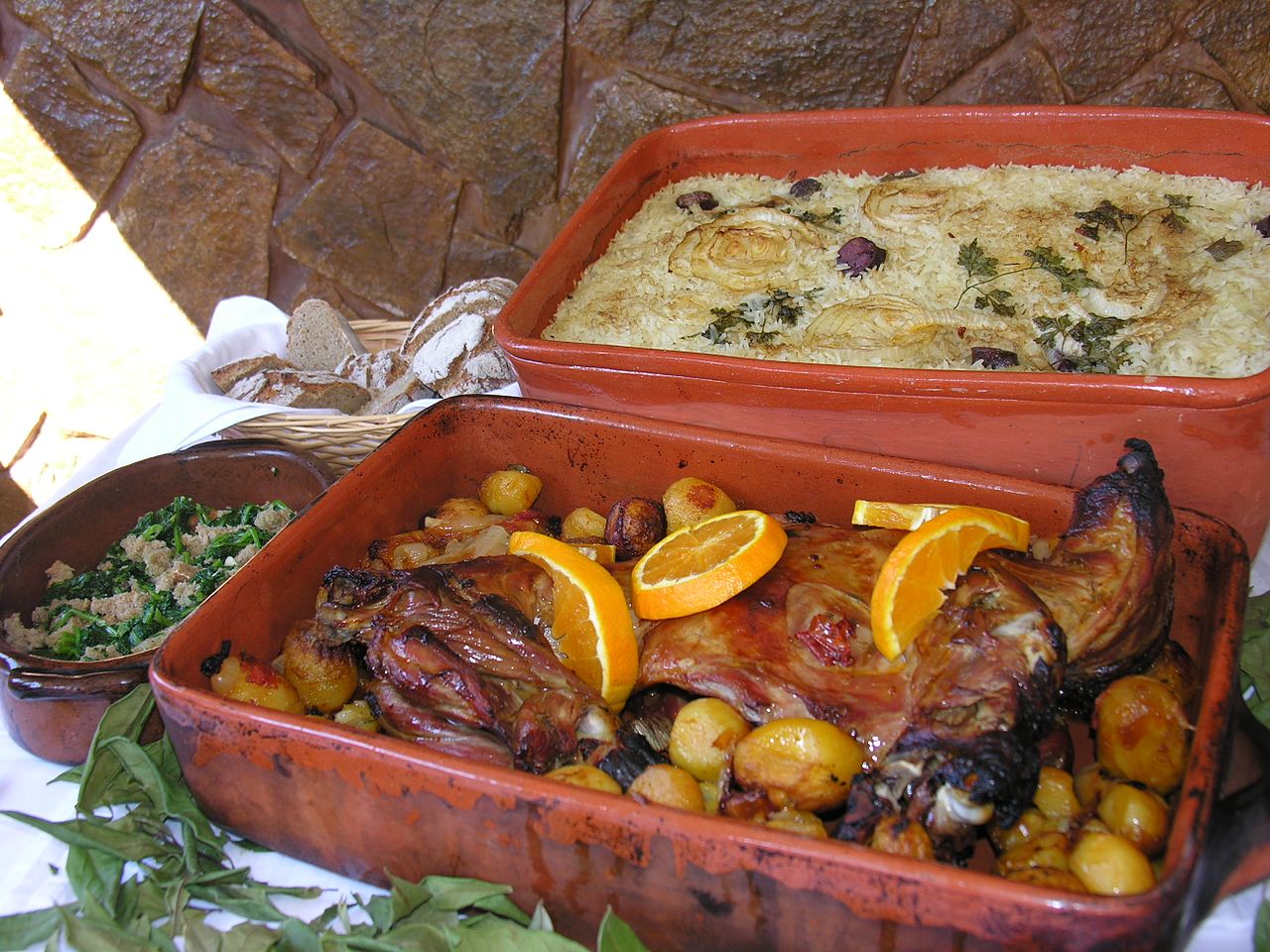
RestaurantA hilltop family restaurant in the town of Alijó above Pinhão. Wood-fired oven, house cabrito, house wine from the family's own vineyard.
Price
€€
Best time
Sunday lunch after 1pm
Duration
2 hours
Country dining room, granite walls, ceramic dogs on the windowsill.
For proper Trás-os-Montes cooking, the way it has been done here for a century.
We do not publish photographs of places we have not verified.
Régua
RestaurantA tavern on the Régua waterfront that serves what the wine merchants used to eat: bacalhau, river fish, generous bread, cheap-and-honest house wine from a barrel.
Price
€€
Best time
Weekday lunch
Duration
1½ hours
Bright, noisy, blue-and-white tiles, waiters who joke with the regulars.
For a lunch that could only have been eaten on this waterfront.
We do not publish photographs of places we have not verified.
Régua
RestaurantIn the old wooden railway warehouse next to Régua station. A serious, well-lit dining room with an ambitious wine list.
Price
€€€
Best time
Dinner
Duration
2 hours
Restored beams, wine-crate shelves, low golden light.
For an evening that treats Douro wine the way it deserves — as the focus of the meal.
“In the Douro, the wine is the meal — the food is the accompaniment.”
— Édi
The Douro still has its village cafés — a marble counter, a radio, and the same three men at the bar every morning. Sit down. Order a bica. Do not check your phone.
We do not publish photographs of places we have not verified.
Provesende
A wood-fired village bakery in continuous use since 1930. The pão-de-milho comes out warm around 8am, the folar around 10, the sweet buns at noon. Ask for whatever is still hot.

Editorial illustration · representative photograph, not the exact venue
© Alberto González · CC BY-SA 3.0 · Wikimedia Commons
Pinhão
The oldest café in Pinhão. Old wooden bar, football poster, a small stack of yesterday's newspapers. A bica costs less than a euro; the conversation is free.

© mapa mundi · CC BY-SA 2.0 · Wikimedia Commons
Lamego
In the old town of Lamego. Home of the bola de Lamego (a serious, layered bread of cured meats — a whole picnic in a slice) and, of course, a good pastel de nata.
The Douro is a country of terraces. These three viewpoints hold the whole geography in a single frame.

© Vitor Oliveira · CC BY-SA 2.0 · Wikimedia Commons
High above the northern bank, halfway between Régua and Pinhão. Vineyards drop 600 metres to the river in a single sweep. The poet Miguel Torga wrote here — there is a small stone bench with his line about the view.

© Vitor Oliveira · CC BY-SA 2.0 · Wikimedia Commons
A small chapel on a rocky outcrop above the great bend of the Douro at São João da Pesqueira. On a clear evening the river below turns copper for a full ten minutes.

© Vitor Oliveira · CC BY-SA 2.0 · Wikimedia Commons
A stone-cross viewpoint above the village of Provesende at 700 metres. The entire western Douro opens up below — Lamego to the south, Alijó to the north, the river a silver thread in the middle.
“The best glass of Douro wine is the second one, drunk in silence with a view.”
— Édi
Three rooms that explain the valley better than any panel ever will.
 N° 01
N° 01© FWinkel · CC BY-SA 4.0 · Wikimedia Commons
Régua
ChapterThe definitive museum of the wine region, in a restored 18th-century building on the Régua waterfront. Old barrels, historic maps, a serious archive.
Duration
1½ hours
For an hour that will change how you drink port for the rest of your life.
The old rabelo boat moored outside the museum is walkable — climb aboard and imagine the barrels of wine and the men who navigated them.
 N° 02
N° 02© Vitor Oliveira · CC BY-SA 2.0 · Wikimedia Commons
Vila Nova de Foz Côa
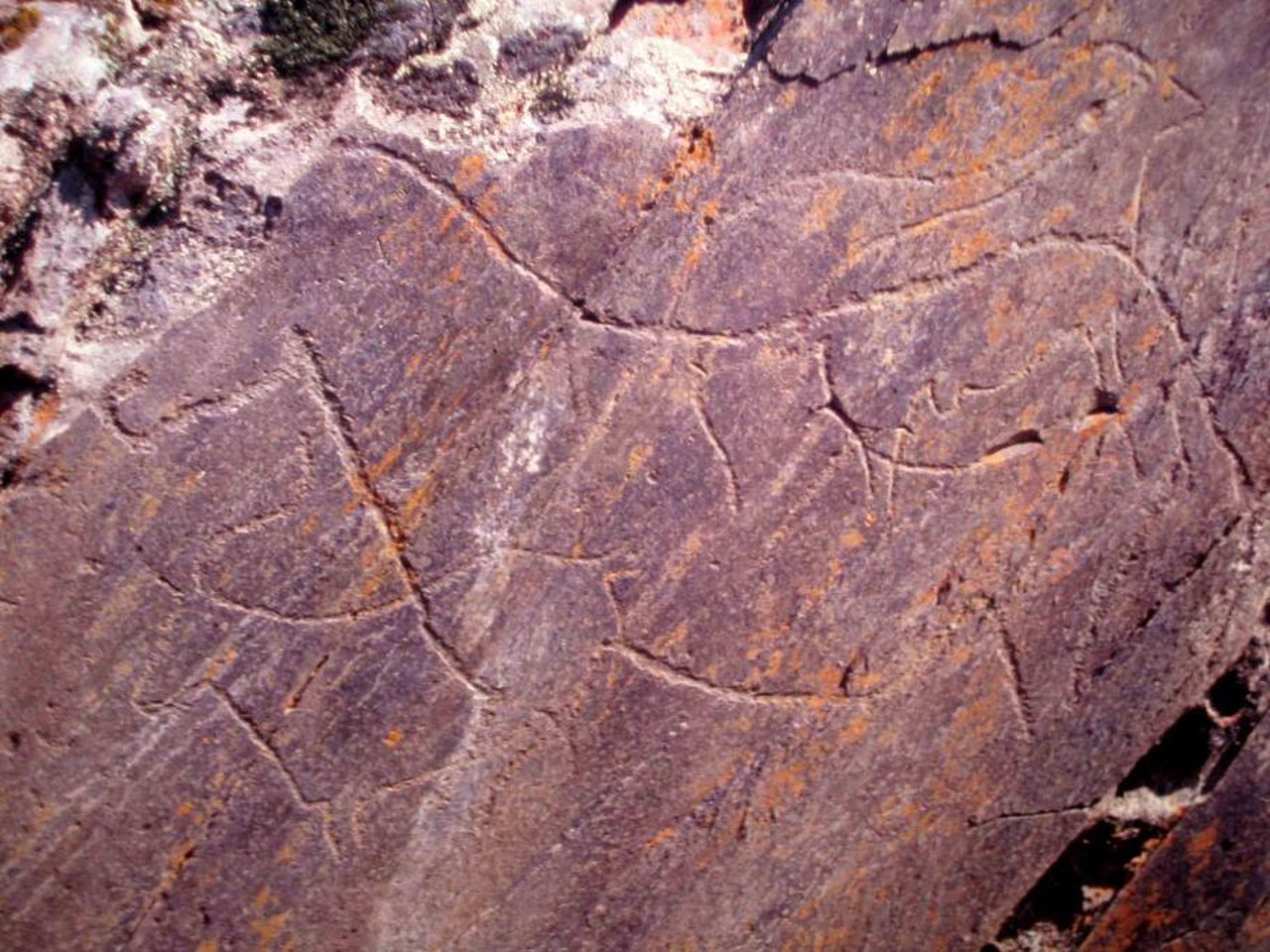
ChapterA striking modern museum by architects Camilo Rebelo and Tiago Pimentel — cast concrete, cantilevers, an interior of quiet reverence. Home to the finds and interpretation of the Palaeolithic rock art in the valley below.
Duration
2 hours
For a Portuguese building that stands beside Álvaro Siza's best work — and for a subject nowhere else on earth handles as well.
 N° 03
N° 03© François Philipp · CC BY 2.0 · Wikimedia Commons
Vila Real
ChapterThe great baroque manor whose façade appears on every bottle of the eponymous rosé. Formal gardens, box hedges, and a library with 6,000 volumes.
Duration
Half a day
For an unusually complete example of a Portuguese country palace, kept exactly as the family kept it.
The gardens are open even when the house is closed on Mondays. Bring lunch.
The Douro is not a shopping region — but there are three small counters where I always stop.

© Bernt Rostad · CC BY 2.0 · Wikimedia Commons
Douro
Skip the airport shops. Buy directly from the quinta you tasted at — most will ship to Europe for a modest fee, or hand you a bottle wrapped in wine-paper for your suitcase.

© Scott Dexter · CC BY-SA 2.0 · Wikimedia Commons
Pinhão
The little shop next to the station sells small tiled souvenirs painted in the same style as the panels above.

© Ken & Nyetta · CC BY 2.0 · Wikimedia Commons
São João da Pesqueira · Alijó
The weekly markets in São João da Pesqueira (Wednesday) and Alijó (Saturday) sell honest olive oil, mountain honey and almonds from the valley. Bring cash.